
As of April 1, 2025, most foreign nationals including citizens from the USA, UK, Canada, Germany, France, and Australia, require a visa to enter Namibia. While many travelers can obtain a visa on arrival or via an e-Visa svstem. Visitors for work, study, or specific business purposes must apply for specialized permits in advance.
However, visa regulations can change, so travelers should always check with the Namibian embassy or consulate in their home country before travelling.
Your passport should be valid for at least six months after your departure date and contain at least two blank pages.
Yes, Namibia is widely considered one of the safest travel destinations in Africa. The country has a stable political environment and a well-developed tourism infrastructure.
As with any travel destination, visitors should take normal precautions such as:
Avoid displaying valuables in public
Stay aware of your surroundings in busy areas
Follow guidance from local guides and lodges
When travelling with a professional operator like Wild Echo Adventures, your journey is carefully planned to ensure a safe and comfortable experience.
Namibia is a year-round destination, but the best time to visit depends on the type of experience you are looking for.
May to October (Dry Season)
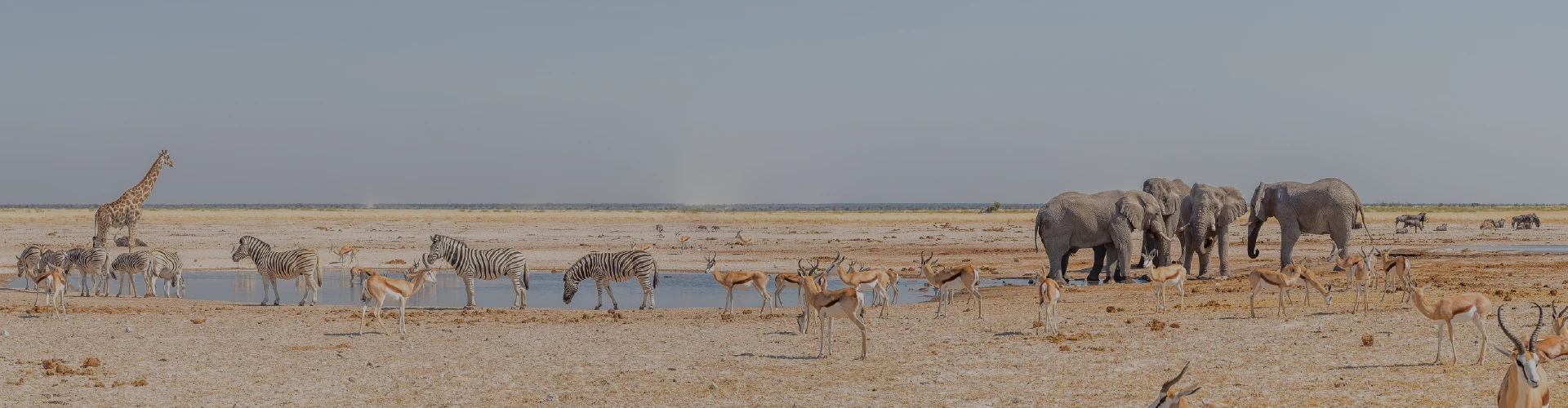
This is considered the best time for wildlife viewing, especially in national parks like Etosha National Park, as animals gather around water holes.
November to April (Green Season)
The landscape becomes greener, birdlife is abundant, and it is an excellent time for photography. Occasional rain showers may occur but rarely affect travel plans.
Tap water in most major towns and lodges in Namibia is safe to drink and of good quality.
Many accommodations also provide filtered or bottled water for guests. When travelling in very remote areas, bottled water may be recommended.
Malaria risk exists mainly in northern Namibia, particularly near the borders with Angola and Zambia.
Popular regions such as:
Sossusvlei
Swakopmund
Windhoek
Are considered very low risk or malaria-free.
If travelling to northern regions such as the Zambezi Region or northern Etosha, it is advisable to consult your doctor regarding malaria prevention.
The official currency is the Namibian Dollar (NAD).
The South African Rand (ZAR) is also widely accepted throughout Namibia.
Credit cards such as Visa and Mastercard are accepted at most hotels, restaurants, and fuel stations. However, it is advisable to carry some cash when travelling to smaller towns or remote areas.
Yes, Namibia is considered one of the best self-drive destinations in Africa. The country has well-maintained roads, clear signage, and incredible scenic routes.
Travelling by car allows visitors to explore Namibia’s vast landscapes at their own pace.
However, distances between destinations can be long, and many roads are gravel. For this reason, travelers should:
Drive carefully and reduce speed on gravel roads
Avoid driving at night due to wildlife on the roads
Ensure their vehicle is suitable for Namibia’s terrain
Many travelers choose to combine self-drive travel with guided tours arranged by companies such as Wild Echo Adventures.
